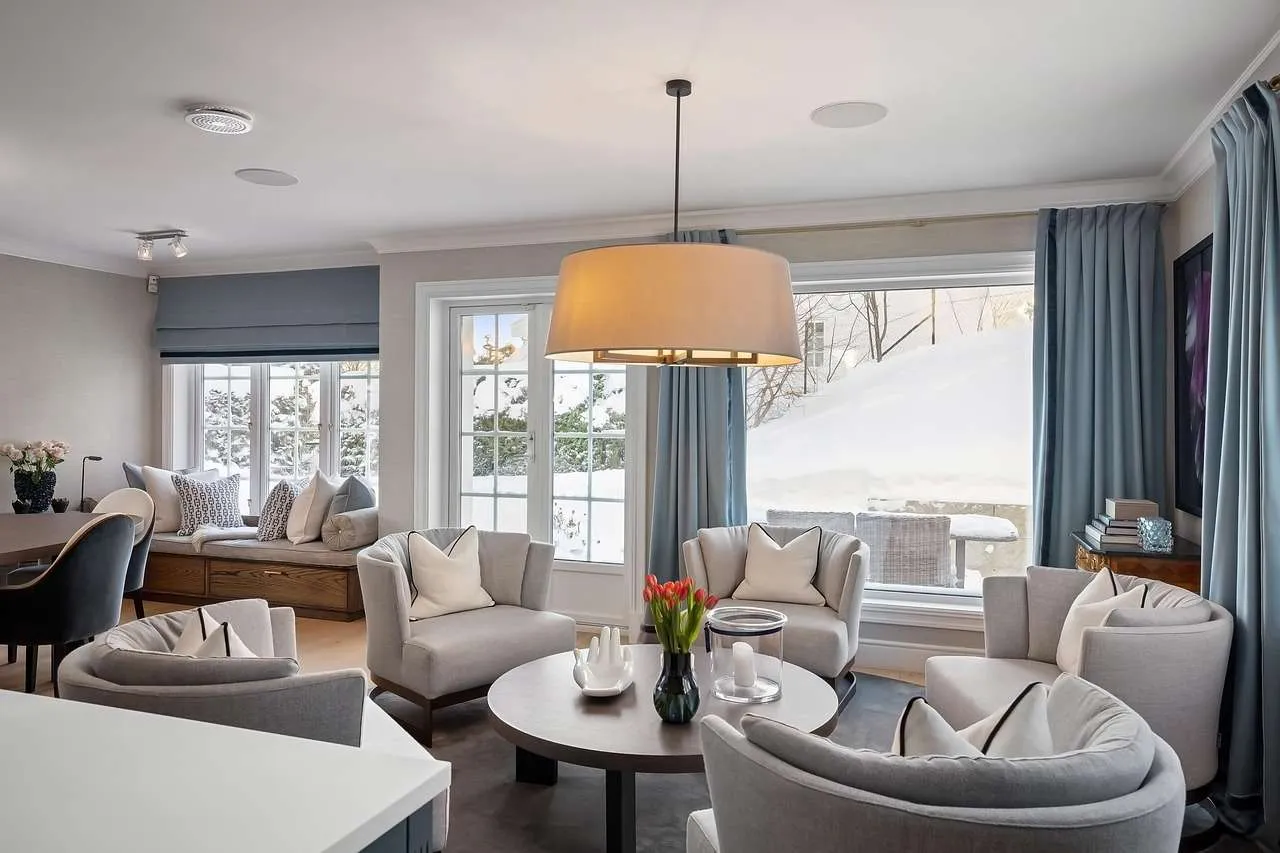
What is home window tinting?
Residential window tinting uses a thin film applied to interior or exterior glass to modify how sunlight interacts with a room. Modern films are designed to reject solar heat, block ultraviolet rays, and reduce glare while preserving visible light for comfortable interiors. Professional installation ensures a smooth, bubble-free finish and long-lasting adhesion that DIY methods may struggle to achieve.
Benefits of home window tinting
Energy savings and comfort
By reflecting infrared heat and absorbing a portion of the sun's energy, tinted film lowers indoor temperatures during hot months and reduces the load on air conditioning systems. In warmer climates, you might see noticeable reductions in cooling costs; in milder areas, comfort during peak sun hours improves even if the savings are smaller. The exact savings depend on climate, window orientation, glass type, and the film's performance rating.
UV protection and interior preservation
Quality window films block up to 99% of ultraviolet radiation, which helps prevent fading of furniture, carpets, and artwork. This protection preserves color and reduces long-term replacement costs, while also minimizing potential skin exposure for occupants.
Glare reduction and privacy
Tinted windows reduce glare on screens and at higher daytime levels, improving comfort for workspaces and living rooms. Depending on the film, you can achieve increased daytime privacy without sacrificing external visibility from inside the room.
Safety and security
Some films add an extra layer of shatter resistance, helping hold glass fragments together during impacts or storms. While tint films are not a substitute for tempered or laminated glass, they provide an added margin of safety for windows in ground-level rooms or near entryways.
Types of window films
Residential films come in several families, each with trade-offs in light transmission, heat rejection, and price. The most common categories are dyed, metalized, ceramic, and carbon films. Hybrid options blend features to balance performance and cost. Ceramic and carbon films typically offer the best clarity and heat rejection with minimal reflectivity.
Dyed films
Dyed films absorb solar energy and are usually the most affordable option. They provide good glare reduction and aesthetics but can fade over time and may be less effective at heat rejection compared with higher-end options.
Metalized films
Metalized or metallized films reflect a portion of the sun's energy to reduce heat. They can interfere with certain electronics and GPS signals if installed poorly; modern formulations mitigate most issues, but it's worth discussing with your installer.
Ceramic films
Ceramic films offer high heat rejection, excellent clarity, and low reflectivity. They are among the most durable and are often preferred for larger or sun-drenched homes.
Carbon and hybrid films
Carbon films provide good heat rejection with a neutral appearance and minimal reflectivity. Hybrid films combine dyed and metalized layers to balance price and performance.
Choosing the right film for your home
Start by assessing your climate, sun exposure, room usage, and daylight needs. A film with higher visible light transmission (VLT) keeps rooms bright but may provide less heat rejection, while darker films improve privacy and heat control but reduce natural light. Most residential windows perform best with a film in the 35-70% VLT range, depending on your goals.
What is VLT and why it matters?
Visible light transmission indicates how much light the film allows into the room. If you spend long evenings at home or have artwork and plants near windows, you may prefer higher VLT options. For glare control and energy savings in sunny rooms, mid-range VLT options often strike the best balance.
Installation considerations
Professional installation offers warranties, consistent results, and minimal risk of bubbles or peeling. Look for installers with experience in residential projects, a written warranty, and references. Verify that the shop can provide a sample film and explain heat-reduction ratings, UV rejection, and maintenance needs. Some installers offer free consultations, on-site measurements, and post-installation checks to ensure the film is properly bonded and clean.
Cost, ROI, and maintenance
Residential window films typically range from a few dollars to around 15 dollars per square foot installed, depending on the film type, window size, and labor. Ceramic and carbon options tend to be at the higher end of the spectrum, while dyed films are more budget-friendly. While the upfront cost is a consideration, the energy savings, reduced fading, and enhanced comfort can lead to a favorable return over several years, especially in climates with intense sun. Regular cleaning with mild soap and water helps maintain clarity and adhesion; avoid abrasive cleaners that can scratch the film.
Table: Tint types at a glance
| Type | VLT Range | IR Rejection | UV Rejection | Pros | Cons | Estimated Cost |
|---|---|---|---|---|---|---|
| Dyed | 30-70% | Moderate | Very good | Low cost, good glare control | Possible fading, moderate heat control | 2-6 per sq ft |
| Metalized | 15-60% | High | Excellent | Strong heat rejection, durability | Can interfere with electronics; reflectivity | 4-12 per sq ft |
| Ceramic | 25-70% | High | Excellent | Clear, minimal reflectivity | Higher cost | 8-20 per sq ft |
| Carbon | 25-65% | High | Excellent | Neutral look, strong heat control | Higher cost | 8-18 per sq ft |
| Hybrid | 30-60% | Moderate | Good | Balanced performance and price | Not as strong as ceramic | 5-12 per sq ft |
Maintenance and safety
Regular cleaning with a soft cloth and non-ammonia cleaner helps preserve clarity and bond strength. Avoid abrasive tools. For safety, never attempt to remove film yourself from large panes that have adhesive layers; consult a professional if you notice peeling or bubbling that worsens with time. A reputable installer will provide guidance on replacement intervals and warranties, typically 10-15 years for many residential films.
Choosing a trusted installer
To ensure EEAT, select a licensed, insured installer with a track record of residential projects. Ask about warranties, certifications from organizations such as the IWFA, and on-site measurements. Request references and before-after photos of previous jobs. A transparent quote should cover film type, projected energy benefits, install time, and aftercare instructions.
Summary Home window tinting offers energy savings, UV protection, glare control, and enhanced privacy when paired with the right film and a reputable installer. By considering climate, daylight needs, and budget, homeowners can choose a film that fits both performance and aesthetics while maintaining a safe, well-maintained home.